


Microcrystalline Wax Product Introduction Overview Key Features Applications Candles: Commonly used in high-quality candles, offering longer burn times and more stable burning performance. Advantages Environmental Friendliness: Relatively environmentally friendly, non-toxic, and compliant with multiple international standards. Form: Typically supplied in slab, block, or granular form. Conclusion
Microcrystalline wax is a type of wax derived from the petroleum refining process. It possesses unique physical and chemical properties, setting it apart from regular paraffin wax. Microcrystalline wax has a finer crystalline structure, higher viscosity, and greater elasticity, making it widely applicable across various industries.
Crystalline Structure: Microcrystalline wax has a fine crystalline structure, providing excellent plasticity and flexibility.
Viscosity and Hardness: It exhibits higher viscosity and hardness, offering good surface gloss and adhesion.
Melting Point: The melting point ranges from 60°C to 90°C, depending on the specific application.
Color and Odor: Generally white or light yellow, and almost odorless, making it suitable for diverse applications.
Cosmetics: Used in lipsticks, creams, lotions, and other products to provide stability and a smooth feel.
Food Industry: Serves as a coating for food packaging, especially for fruits and cheese, to extend shelf life and maintain freshness.
Rubber and Tires: Enhances oxidation resistance and weatherability in the production of rubber and tires.
Adhesives: Utilized in hot melt adhesives and other adhesive products for excellent adhesion and durability.
Coatings and Inks: Acts as a thickening and gloss agent in coatings and inks, improving abrasion resistance and glossiness.
Stability: Excellent chemical stability and oxidation resistance, suitable for long-term storage and use.
Compatibility: Good compatibility with various chemicals, making it easy to use in different formulations.
Plasticity: Superior plasticity and film-forming ability, excelling in various applications.
Product Specifications
Packaging: Standard packaging is 25 kg bags or customized according to customer requirements.
Quality Standards: Complies with relevant national and international quality standards, ensuring reliability and consistency.
Microcrystalline wax, with its unique physical and chemical properties, plays a crucial role in various industries. Whether in cosmetics, food packaging, rubber and tires, or coatings and inks, microcrystalline wax demonstrates outstanding performance and broad application prospects. With its stability, compatibility, and environmental friendliness, microcrystalline wax offers a premium raw material choice for multiple industries.
Paraffin wax is a versatile and widely used chemical substance derived from petroleum, coal, or oil shale. It is composed of saturated hydrocarbons and is known for its solid form at room temperature, melting easily when heated. This wax is highly valued for its excellent moisture resistance, smooth texture, and low reactivity, making it suitable for various applications across numerous industries. Key Features Applications Benefits Conclusion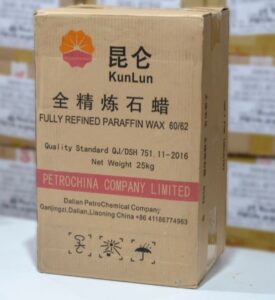
Purity: Available in fully refined and semi-refined grades to meet different purity requirements.
Appearance: Typically white or colorless, with a smooth, glossy texture.
Melting Point: Ranges from 46°C to 68°C, depending on the specific grade and application.
Odor: Odorless or has a very mild odor, making it suitable for use in sensitive applications.
Candles: The primary use of paraffin wax is in the production of candles. It provides an excellent burning quality, a smooth finish, and the ability to hold dyes and fragrances well.
Packaging: Paraffin wax is widely used in the packaging industry to coat paper and cardboard, providing moisture resistance and a barrier to grease and oil.
Cosmetics: In the cosmetics industry, paraffin wax is used in products such as creams, lotions, and lip balms for its moisturizing properties.
Pharmaceuticals: Used in the production of ointments and as a coating for pills to ensure controlled release.
Rubber and Tire Industry: Acts as a protective coating to prevent rubber products from cracking and aging.
Food Industry: Used as a coating for cheese and fruits, and in food packaging to extend shelf life and maintain freshness.
Crayons and Adhesives: Provides a smooth application and improves the adhesion properties in crayons and adhesives.
Versatility: Suitable for a wide range of applications due to its adaptable physical and chemical properties.
Cost-Effective: An economical choice for many industrial processes.
Stability: Highly stable under normal conditions, providing long shelf life for products.
Environmental Safety: Generally considered safe for use in food and cosmetics when refined to appropriate standards.
Product Specifications
Forms: Available in slabs, granules, or pellets to cater to different industrial needs.
Packaging: Typically packaged in 25 kg bags or according to customer requirements.
Standards: Complies with relevant national and international quality standards, ensuring reliable performance.
Paraffin wax is an essential and highly useful material across various industries. Its unique properties and wide range of applications make it an indispensable component in many products, from everyday household items to specialized industrial goods. Whether you need a reliable material for candles, packaging, cosmetics, or any other application, paraffin wax offers the quality and versatility you need.
Polyethylene Wax (PE Wax) Product Introduction Overview Polyethylene wax (PE wax) is a low molecular weight polyethylene polymer known for its unique properties and versatility. It is widely used in various industries due to its excellent lubricity, thermal stability, and compatibility with other materials. PE wax is available in different forms, including powder, granules, and flakes, to meet specific industrial needs. Key Features - Excellent Lubricity: PE wax provides superior lubricating properties, reducing friction and wear in various applications. Applications 1. Plastics Industry: Used as a processing aid and dispersant in the production of PVC, polyethylene, and polypropylene, improving flow properties and reducing torque. Advantages - Versatility: Suitable for a wide range of applications across different industries. Product Specifications - Forms: Available in powder, granules, and flakes. Conclusion Polyethylene wax (PE wax) is a highly versatile and valuable material widely used across multiple industries. Its excellent lubricity, thermal stability, and compatibility make it an essential additive for enhancing the performance of plastics, adhesives, coatings, inks, rubber, and textiles. With its numerous advantages and customizable options, PE wax continues to be a preferred choice for manufacturers seeking to improve processing efficiency and product quality.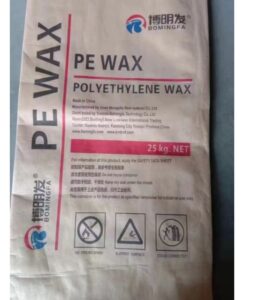
- Thermal Stability: It exhibits high thermal stability, maintaining its properties even at elevated temperatures.
- Chemical Resistance: Resistant to a wide range of chemicals, ensuring durability and longevity in harsh environments.
- Compatibility: Easily blends with other polymers, resins, and additives, enhancing the performance of composite materials.
- Low Viscosity: Offers low viscosity, making it easy to process and handle in different manufacturing processes.
2. Masterbatches: Acts as a carrier and dispersant for pigments and additives in masterbatches, ensuring uniform distribution and color consistency.
3. Hot Melt Adhesives: Enhances the performance of hot melt adhesives, providing better adhesion, stability, and flexibility.
4. Coatings and Inks: Improves the surface properties of coatings and inks, providing gloss, scratch resistance, and durability.
5. Rubber Industry: Used as a processing aid and release agent in rubber compounding, improving processing efficiency and finished product quality.
6. Textiles: Used as a softener and sizing agent in the textile industry, enhancing fabric softness and durability.
- Enhanced Performance: Improves the mechanical and thermal properties of materials, resulting in higher quality end products.
- Cost-Effective: Offers an economical solution for improving processing efficiency and product performance.
- Environmental Safety: Generally considered safe and environmentally friendly, with minimal impact on health and the environment.
- Customizable: Available in various forms and grades to meet specific industrial requirements.
- Packaging: Standard packaging options include 25 kg bags, with customized packaging available upon request.
- Grades: Offered in different molecular weights and melting points to suit various applications.
- Quality Standards: Complies with relevant national and international quality standards, ensuring consistent performance and reliability.

